

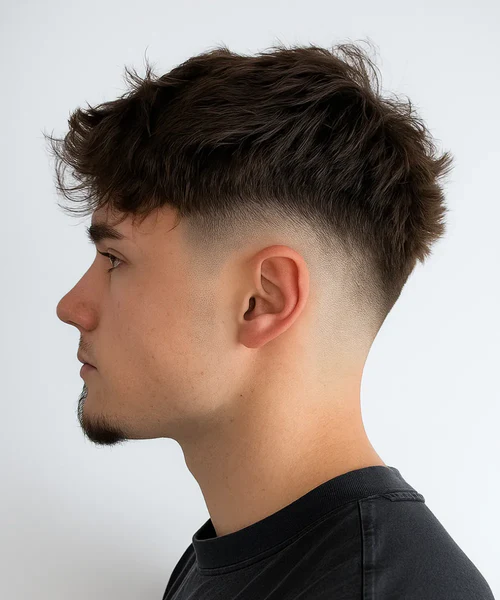
The short fade haircut has become a staple in modern hairstyling, capturing the attention of men and women alike. Its clean, sharp look provides a polished yet edgy style that works for almost any occasion. Whether you’re heading to a business meeting, a casual outing, or a special event, the Short Fade Haircut delivers a sophisticated and trendy appearance. Unlike other hairstyles that may require extensive upkeep, the fade balances style with practicality, offering a haircut that looks professional and fresh with minimal effort.
The popularity of the short fade haircut stems from its versatility. It can be tailored to suit different hair textures, lengths, and face shapes, making it a go-to choice for those seeking both style and individuality. Beyond its aesthetic appeal, the fade can enhance facial features, adding definition to the jawline or softening angles depending on the type of fade chosen. For this reason, barbers and hairstylists often recommend the short fade as an excellent foundation for various haircut combinations.
This article is designed to guide readers through everything they need to know about the short fade haircut. From understanding its history and types to choosing the right style for your face and maintaining it with ease, this guide covers every essential aspect. Additionally, we’ll explore styling tips, common mistakes to avoid, and answer frequently asked questions to ensure you leave with all the knowledge needed to rock a perfect fade.
Understanding the Short Fade Haircut
A short fade haircut is defined by its gradual transition from short hair at the sides and back to slightly longer hair on top. The “fade” effect creates a seamless blend, giving the hair a smooth, polished finish. It is a classic haircut that has evolved over decades, originally gaining popularity in the 1940s and 50s in the military before becoming a mainstream trend in urban and fashion-forward communities. Over time, barbers have developed multiple variations of the fade, allowing individuals to select a look that matches their personality and lifestyle.
There are several types of fades to consider when opting for a short fade haircut. A low fade starts just above the ear and gradually increases in length, creating a subtle and professional appearance. A mid fade begins slightly higher on the sides and provides a balanced, modern look. For those seeking a bold statement, the high fade cuts close to the scalp near the temples, emphasizing contrast with the longer hair on top. Other variations, such as the skin fade or taper fade, offer unique styling options depending on personal preference. Unlike other short hairstyles, the fade’s versatility allows it to pair seamlessly with pompadours, quiffs, buzz cuts, and more, making it an adaptable and stylish choice.
Choosing the Right Short Fade for You
Selecting the perfect fade begins with understanding how it complements your face shape, hair type, and lifestyle. Face shapes such as oval, square, round, or heart-shaped can influence which fade style will enhance your features. For example, a high fade can elongate a round face, while a low fade may soften a square jawline. Hair texture also plays a role: fine hair benefits from shorter, sharper fades, whereas thicker hair may require a slightly longer blend to maintain a balanced look.
Lifestyle is another crucial factor in choosing a fade. Those with active routines or limited time for daily styling may prefer low-maintenance fades like the taper or skin fade. Conversely, fashion enthusiasts may opt for high fades paired with styled tops for a more dramatic effect. Celebrities often serve as inspiration, as they frequently experiment with different fades, demonstrating the haircut’s versatility and trendiness. Combining a fade with other styles, such as a pompadour, quiff, or crew cut, can create a signature look that reflects individuality while staying stylish. Ultimately, consulting a skilled barber ensures the fade complements your facial structure and personal style, giving you a polished and confident appearance.
Styling and Maintenance Tips
One of the reasons the short fade haircut remains popular is its manageable upkeep. Daily styling can range from minimal to elaborate, depending on the chosen top length. Shorter tops often require simple brushing and the occasional application of lightweight styling products, whereas longer tops can benefit from pomades, waxes, or gels to maintain texture and shape. Using high-quality hair products enhances the fade’s clean lines, giving it a crisp and defined look that lasts throughout the day.
Maintaining a fade between barber visits is equally important. Frequent trims every 2-4 weeks prevent the fade from losing its sharp contrast and keep the overall appearance neat. Seasonal care, such as using hydrating shampoos in dry climates or anti-frizz products in humid conditions, ensures the hair remains healthy and vibrant. Avoid overstyling, which can lead to product buildup, and refrain from attempting complex fades at home, as improper techniques may result in uneven lines. With proper care, the short fade haircut remains a timeless and adaptable hairstyle that exudes confidence and style.
Common Short Fade Haircut Mistakes to Avoid
Even the most stylish fade can go wrong if certain mistakes are made. Choosing a fade that does not complement your face shape is a common error. A high fade may overwhelm a round face, while a low fade on a square face might not provide enough definition. Another mistake involves neglecting maintenance; an untrimmed fade loses its precision quickly, diminishing the overall effect.
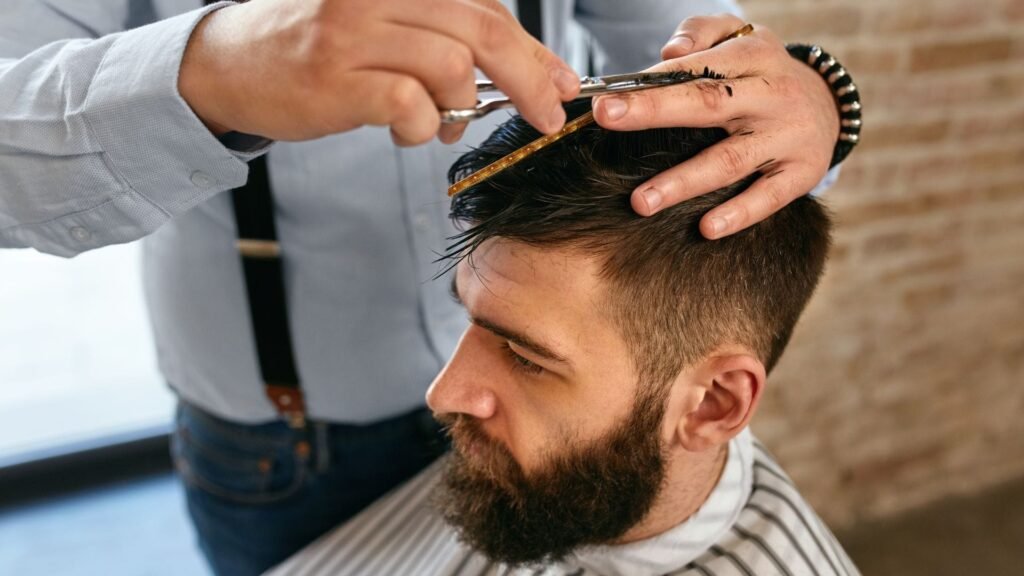
DIY fades can also be risky. Attempting a fade at home without proper training often results in uneven or patchy haircuts. Visiting a professional barber ensures symmetry and precision, especially for complex styles like skin fades. Other mistakes include overusing styling products, which can weigh down the hair, or understyling, which may make the haircut appear unfinished. Recognizing these pitfalls allows anyone to maintain a flawless, sharp, and stylish fade that enhances personal appearance.
Conclusion
The short fade haircut remains a versatile, stylish, and modern choice for individuals seeking a clean and polished look. Its adaptability allows it to suit various face shapes, hair types, and personal styles while maintaining effortless elegance. By understanding the different types of fades, selecting the right style, and practicing proper maintenance, anyone can achieve a professional and trendy appearance that stands out.
Whether paired with classic or contemporary hairstyles, the fade continues to evolve, reflecting personal style and modern fashion trends. With regular upkeep and thoughtful styling, the short fade can be an essential element in your grooming routine, offering a confident and sharp look that never goes out of style.
FAQs
What is the difference between a low fade and a high fade?
A low fade starts just above the ears and gradually blends into the longer hair, creating a subtle appearance. A high fade begins near the temples, offering a more dramatic and bold contrast with the hair on top.
How often should I get a short fade haircut?
To maintain a sharp look, it’s recommended to visit the barber every 2-4 weeks depending on hair growth rate and fade type.
Can women also get a short fade haircut?
Absolutely! Women with short haircuts or undercuts can opt for fades to create edgy, stylish, and modern looks.
What products are best for styling a Short Fade Haircut?
Pomades, waxes, gels, and lightweight creams work best depending on the desired texture and hold.
How do I know which fade suits my face shape?
Consulting a skilled barber is ideal. Generally, high fades suit round faces, while low fades complement square or oval faces.
Can a fade grow out gracefully?
Yes, with proper maintenance and trimming, a fade can transition smoothly without looking messy.
Is a short fade suitable for all hair textures?
Most hair textures, including straight, wavy, and curly, can adopt fades. The technique may vary slightly depending on thickness and curl pattern.
You May Also Read: Why Is Tiger Balm Illegal