

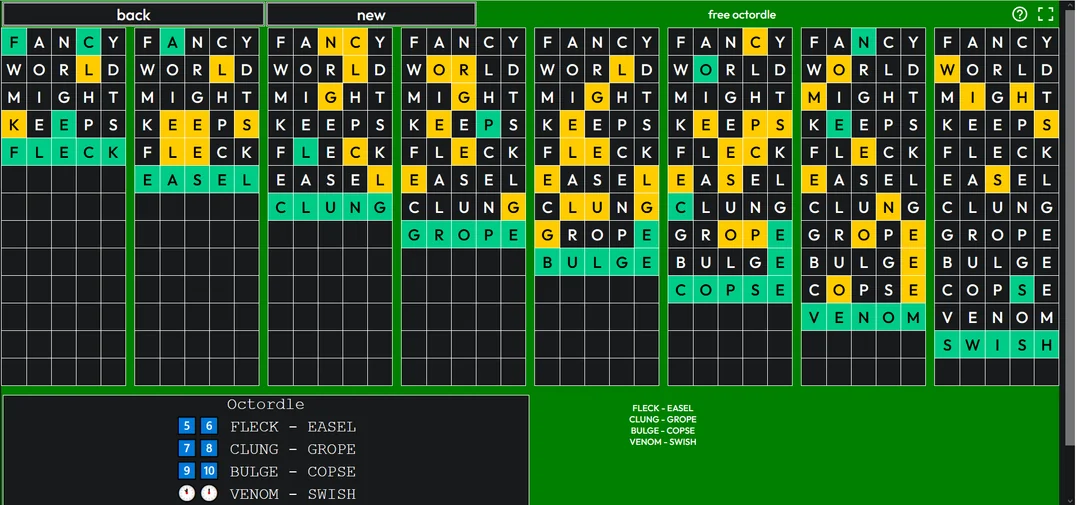
Octordle is a popular word puzzle game that challenges players to guess eight words simultaneously within a limited number of turns. Unlike Wordle, which focuses on a single word, or Quordle, which deals with four words, Octordle significantly increases the complexity by asking players to manage eight interrelated puzzles at the same time. This unique format requires a combination of strategic thinking, pattern recognition, and careful planning. The game has quickly gained traction in the word game community due to its challenging nature, daily puzzles, and competitive appeal.
The game is not just about guessing words; it is about maximizing efficiency, learning letter patterns, and improving memory and cognitive skills. Each guess provides feedback through color-coded tiles, which indicate correct letters, misplaced letters, or letters not present in the word. This feedback is crucial in narrowing down potential solutions across all eight words, demanding both focus and strategic planning. Novice players may find the game overwhelming at first, but understanding the rules and employing systematic approaches can make the challenge both enjoyable and rewarding.
Octordle also offers a social component. Many players share their progress on social media or participate in online communities to discuss strategies and solutions. This interaction fosters collaboration and competition, helping players refine their skills while staying engaged with the daily puzzles. The game’s combination of entertainment, mental exercise, and community interaction makes it a unique addition to the growing world of online word puzzles.
Ultimately, Octordle is more than just a test of vocabulary; it’s a platform for honing logical thinking, strategic planning, and problem-solving skills. The challenge of solving eight words simultaneously pushes players to think critically, enhancing both memory retention and analytical abilities. For enthusiasts seeking a stimulating mental workout, Octordle offers a balanced blend of fun and cognitive engagement, making it an essential daily activity for puzzle lovers.
Understanding Octordle
Game Rules and Mechanics
The objective of Octordle is simple in theory but complex in practice: guess all eight words within thirteen attempts. Players enter guesses one at a time, and the game provides color-coded feedback for each letter in every word. Green indicates the correct letter in the correct position, yellow indicates the correct letter in the wrong position, and gray indicates that the letter does not appear in the word at all. This feedback guides players in refining their subsequent guesses.
The complexity arises from the need to solve eight words simultaneously. A correct guess in one word may provide valuable insight into other words due to repeated letters, patterns, or overlapping letter choices. The game also encourages players to think strategically about letter placement, as a misstep can waste valuable guesses. Success requires maintaining awareness across all eight grids, making pattern recognition and memory key elements of gameplay.
Players must balance risk and reward in every guess. Early attempts often focus on discovering vowels and common consonants to maximize coverage across multiple words. As the game progresses, players shift to refining potential solutions based on accumulated feedback. This gradual narrowing process creates a satisfying balance between deduction and intuition, which is central to the appeal of Octordle.
The game is designed to challenge even seasoned word puzzle enthusiasts. By requiring simultaneous management of eight words, Octordle pushes players to employ strategies that involve prioritization, elimination, and logical deduction. Each turn is a test of analytical skill, demanding careful consideration of both individual letters and overall word structure.
Scoring and Winning Criteria
Winning Octordle is measured not just by completing all eight words but also by efficiency—solving the puzzle in as few guesses as possible. Players are encouraged to use their guesses strategically, focusing on high-probability letters and patterns that benefit multiple words. While the game does not assign numerical scores, the fewer guesses required, the more accomplished a player is considered within the community.
The game encourages a combination of short-term tactics and long-term planning. For instance, early guesses may prioritize vowels and common consonants like R, S, T, L, and N to establish a foundation. Later guesses then leverage this information to target less common letters and refine potential solutions. Each decision influences subsequent turns, creating a cumulative problem-solving experience that rewards strategic thinking and memory retention.
Octordle also challenges players to manage simultaneous puzzles efficiently. Players must constantly update mental or visual notes about which letters are confirmed, which are potential candidates, and which positions remain uncertain. Mistakes in one word can ripple across other words, adding layers of complexity and requiring constant attention. This level of interconnectivity between puzzles distinguishes Octordle from simpler word games and elevates its cognitive demands.
The ultimate winning criteria are solving all eight words within the allotted turns while minimizing unnecessary guesses. Mastery of Octordle involves understanding the balance between discovery and deduction, maximizing the value of each guess, and employing a disciplined approach to pattern recognition and elimination.
Strategies and Tips for Playing Octordle
Beginner Strategies
For beginners, the key to Octordle is starting with optimal words that cover common vowels and consonants. Words like “RAISE,” “ALERT,” or “STORE” are popular opening guesses because they include high-frequency letters, providing information across multiple grids. These first guesses help identify which letters are present and which are absent, offering a solid foundation for subsequent attempts.
Another beginner tip is to focus on one word at a time while remaining aware of feedback for the other seven words. Many players make the mistake of randomly guessing across all grids, which leads to wasted guesses. Prioritizing words based on initial clues and confirmed letters allows beginners to gradually reduce uncertainty. Writing down potential letters and positions can also be helpful, especially for players who prefer a visual memory aid.
Beginners should also familiarize themselves with common prefixes, suffixes, and word structures. Recognizing patterns like “-ING,” “-ED,” or “UN-” can simplify the process of narrowing down possibilities. Combining this knowledge with systematic elimination ensures a structured approach that minimizes guesswork and maximizes efficiency.
Lastly, patience is crucial for beginners. Octordle’s eight-word challenge can feel overwhelming, but a disciplined approach—tracking known letters, analyzing patterns, and making calculated guesses—will improve success rates over time. With consistent practice, beginners quickly gain the skills needed to progress from casual solving to more competitive gameplay.
Advanced Techniques
Advanced players focus on simultaneously managing all eight grids efficiently. One common technique is to prioritize words with rare or high-value letters, such as Q, Z, or X, which are less likely to appear in multiple words but provide definitive information when they do. By targeting challenging words early, players can reduce uncertainty and gain strategic advantages later in the game.
Another advanced strategy is leveraging letter frequency analysis. Understanding which letters appear most frequently in English words allows players to make informed guesses that maximize coverage across multiple grids. Advanced players often combine this with pattern recognition to predict likely word structures and letter placements, enhancing the probability of solving words in fewer guesses.
Time management and mental tracking are also essential at advanced levels. Many players create mental grids or use scratchpads to record confirmed letters, potential candidates, and eliminated options. This approach reduces errors, ensures all grids are updated consistently, and supports quick decision-making under pressure.
Finally, advanced strategies include anticipating multiple possibilities for each word. By considering alternate letter arrangements and remaining flexible in guesses, experienced players maintain high accuracy even under tight guess limits. This combination of probability, pattern recognition, and disciplined tracking distinguishes top-tier Octordle players from casual participants.
Tools and Resources
Several tools and resources can aid players in improving Octordle performance. Online solvers and word lists provide suggestions for high-frequency starting words and optimal guesses. Community forums offer strategy discussions, daily puzzle solutions, and tips from experienced players. Some websites track player progress, offer analytics, or simulate puzzle conditions to help refine skills.
Mobile and desktop apps often include features like hints, memory aids, and daily challenges. These tools can supplement learning, particularly for beginners who need guidance in managing eight simultaneous words. Engaging with online communities also provides social reinforcement, enabling players to compare strategies, share discoveries, and learn from one another.
By combining these resources with consistent practice, players can steadily improve their skills, enhance their efficiency, and enjoy the game at a deeper level.
Common Mistakes and How to Avoid Them
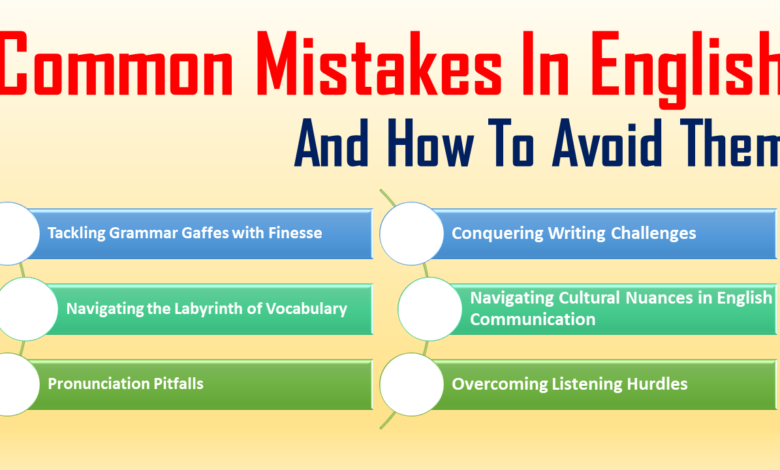
Many Octordle players struggle with common mistakes such as guessing randomly, ignoring feedback, or failing to track letter placements across grids. Over-reliance on intuition without analysis often leads to wasted guesses and frustration. Beginners may also mismanage their turns, prioritizing easier words while neglecting more difficult ones, which can create challenges in later stages of the game.
To avoid these pitfalls, players should adopt a structured approach: track known letters, confirm positions, and systematically eliminate possibilities. Regularly reviewing each grid ensures no letters are overlooked and that feedback informs future guesses. Additionally, players should resist the temptation to make impulsive guesses, instead relying on calculated choices informed by frequency analysis and pattern recognition.
Consistency and patience are key. Practicing daily, reflecting on past games, and learning from mistakes builds both accuracy and confidence. Over time, players develop intuition supported by structured reasoning, allowing them to solve puzzles more efficiently and enjoy the challenge without unnecessary frustration.
Community and Competitions
Octordle has fostered a vibrant online community, with players sharing daily solutions, strategies, and tips on social media and forums. Competitive players often participate in daily challenges or informal tournaments, testing their speed, accuracy, and strategic abilities against others. Communities provide motivation, support, and exposure to diverse solving techniques, enhancing the overall gameplay experience.
Discussion groups and collaborative platforms allow players to share insights, such as optimal starting words, unusual letter combinations, and advanced strategies. This engagement encourages continuous learning and improvement, making Octordle not just a solo challenge but also a social experience. Players often celebrate achievements, post streaks, and compare solving efficiency, fostering camaraderie and healthy competition.
The social aspect of Octordle contributes significantly to its popularity. Daily challenges, shared experiences, and community-driven content create a sense of connection among players worldwide. By participating in these communities, individuals gain both enjoyment and practical insights that enhance their puzzle-solving skills.
Conclusion
Octordle is more than a word game; it is a cognitive challenge that tests memory, strategy, and analytical skills. By understanding game mechanics, employing beginner and advanced strategies, and leveraging available tools and community insights, players can improve their efficiency and enjoy a rewarding mental exercise. Avoiding common mistakes and maintaining structured approaches ensures consistent progress and enhances the overall experience.
Whether a novice or an experienced player, Octordle offers daily opportunities to refine problem-solving abilities, explore letter patterns, and engage with a passionate community. Its combination of challenge, strategy, and social interaction makes it an enduring favorite among word puzzle enthusiasts. With practice, patience, and smart gameplay, mastering Octordle is an achievable and highly satisfying goal.
Frequently Asked Questions (FAQs)
What is Octordle and how is it played?
Octordle is a word puzzle where players guess eight words simultaneously, using color-coded feedback to refine guesses.
How many guesses do I get in Octordle?
Players typically have thirteen guesses to solve all eight words.
What is the best starting word for Octordle?
Optimal starting words include high-frequency letters and vowels, such as “RAISE,” “ALERT,” or “STORE.”
How do the color-coded hints work?
Green indicates correct letters in the correct position, yellow for correct letters in the wrong position, and gray for letters not in the word.
Are there tools or apps to help solve Octordle?
Yes, online solvers, word lists, and apps provide hints, tracking, and analytics to improve gameplay.
Can Octordle be played on mobile and desktop?
Yes, the game is accessible on both mobile devices and desktop browsers.
How do I improve my accuracy and efficiency in Octordle?
Use structured strategies, track letters across all grids, leverage letter frequency, and practice regularly to enhance skills.
You May Also Read: John McPhee Delta Wikipedia