

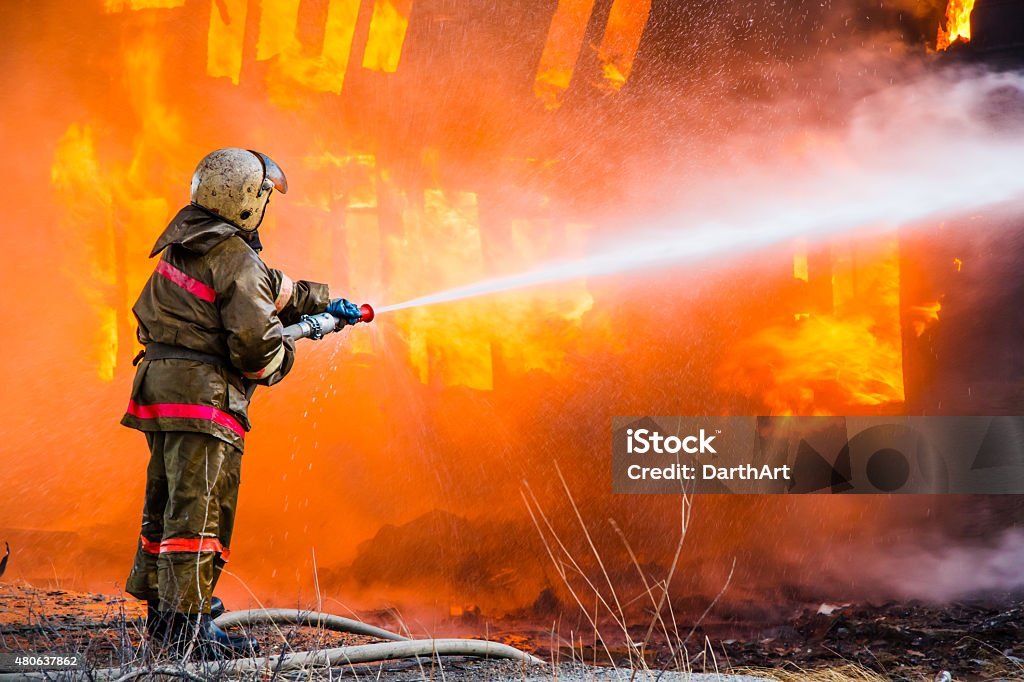
Fire quenching is a vital process that involves the rapid cooling of materials, typically metals, from high temperatures to room temperature using various cooling agents. While many associate the term “quenching” solely with extinguishing flames, it also plays an essential role in industrial metallurgy, where it is used to alter the physical and mechanical properties of metals. The process is crucial in both safety operations, like fire suppression, and engineering processes, such as heat treatment.
In metallurgy, fire quenching helps to harden metals by transforming their internal structure, making them more durable and resistant to wear. Conversely, in firefighting, quenching removes heat from a combustion zone, stopping the chemical reaction that sustains a fire. This makes it an indispensable process across manufacturing plants, construction sites, and emergency response systems.
The science behind fire quenching combines principles of heat transfer, thermodynamics, and material science. Understanding this process not only improves the safety of industrial operations but also enhances product quality and efficiency. Whether it’s cooling red-hot steel in a foundry or extinguishing a blaze in a refinery, fire quenching represents the perfect balance between science, safety, and precision.
The Science Behind Fire Quenching
At its core, fire quenching revolves around rapid heat removal. When a heated metal or surface is exposed to a quenching medium, heat is transferred through three mechanisms — conduction, convection, and radiation. Conduction moves heat through direct contact, convection carries heat away through fluid movement, and radiation releases thermal energy into the surroundings. Together, these mechanisms allow materials to cool quickly and uniformly.
The principle of quenching lies in controlling the cooling rate. Rapid cooling transforms the microstructure of metals — for example, changing austenite into martensite in steel. This transformation increases hardness but can also lead to brittleness if not managed correctly. Engineers carefully select the type of cooling medium (water, oil, or gas) based on the desired properties and metal composition.
In firefighting, the science is slightly different but equally fascinating. Fire quenching interrupts the “fire triangle” by eliminating heat, one of the three essential elements required for combustion (alongside fuel and oxygen). The removal of heat lowers the temperature below the ignition point, effectively stopping the reaction. Thus, whether in a forge or on a burning field, fire quenching operates on a universal scientific principle — controlling energy transfer to achieve safety and strength.
Fire Quenching in Metallurgy and Engineering
In industrial settings, fire quenching is a critical step in the heat treatment of metals. The process typically follows heating and soaking phases, where metals are heated to high temperatures and held until their structure becomes uniform. Once the desired temperature is reached, the material is rapidly cooled using quenching media such as water, oil, air, or brine solutions.
Each quenching medium produces different results. Water quenching provides rapid cooling but risks cracking or distortion due to thermal shock. Oil quenching, on the other hand, cools more slowly, offering better control and reducing stress on the metal. Air and gas quenching are often used for precision components requiring minimal deformation. Advanced industries use polymer-based quenching fluids, which can be fine-tuned to control cooling rates and improve energy efficiency.
Quenching is widely used in automotive, aerospace, and tool-making industries, where components such as gears, shafts, and engine parts require precise mechanical properties. However, improper quenching can lead to issues like warping or internal cracking. To prevent this, engineers use temperature sensors and computer-controlled systems to regulate the cooling process. In essence, fire quenching in metallurgy is as much an art as it is a science — demanding accuracy, understanding, and experience to achieve the perfect balance between hardness and toughness.
Fire Quenching in Fire Safety and Suppression
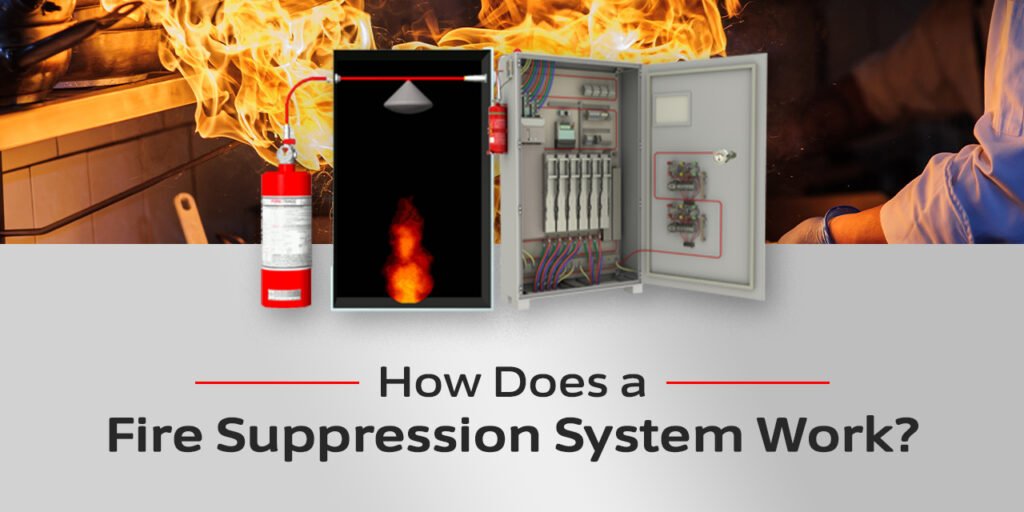
Beyond metallurgy, fire quenching also plays a crucial role in fire suppression and safety systems. In firefighting, quenching refers to the rapid cooling and extinguishing of flames to prevent re-ignition. Unlike simple extinguishing, which might only suppress visible flames, fire quenching focuses on lowering the temperature of materials to eliminate hidden embers and hotspots.
Different quenching agents are used depending on the type of fire. Water remains the most common and effective cooling agent for ordinary combustibles like wood and paper. Foam is ideal for flammable liquid fires, as it creates a barrier between oxygen and fuel. Carbon dioxide (CO₂) works by displacing oxygen and reducing heat, making it perfect for electrical fires. Dry chemical powders are versatile and effective against multiple fire types.
Modern industries employ automatic fire quenching systems in refineries, factories, and server rooms. These systems detect temperature spikes and activate sprinklers, CO₂ jets, or mist systems to contain fires within seconds. Advancements in sensor technology and artificial intelligence have further enhanced precision and responsiveness. By integrating science with innovation, fire quenching continues to save lives, protect property, and ensure operational safety in high-risk environments.
Safety, Precautions, and Best Practices
Whether used in industrial quenching tanks or firefighting scenarios, safety is paramount. During metallurgical quenching, rapid temperature changes can cause violent steam explosions or metal splatter if handled improperly. Workers must wear heat-resistant gloves, face shields, and protective suits to prevent burns or injuries. Moreover, the choice of quenching fluid must align with environmental regulations, as some oils and chemicals can be hazardous when improperly disposed of.
In fire suppression, quenching agents should be used strategically. For example, water should never be used on electrical or oil-based fires as it can spread flames or cause electrocution. Proper training and awareness are key to ensuring effective and safe fire quenching operations.
Environmental sustainability is also a growing concern. Industries are shifting toward eco-friendly quenching solutions, such as biodegradable fluids and closed-loop cooling systems that recycle water. Maintaining quenching equipment — through regular inspections, calibration, and fluid testing — ensures consistent performance and safety. In both metallurgy and fire control, the best practices revolve around control, caution, and continuous improvement.
The Future of Fire Quenching Technology
The future of fire quenching is heading toward automation, sustainability, and precision. Modern quenching systems are being equipped with AI and IoT sensors to monitor temperature, fluid viscosity, and cooling rates in real time. These technologies help prevent errors, enhance safety, and reduce material waste.
In firefighting, next-generation robotic and drone-assisted quenching systems are being developed to tackle fires in hazardous environments. Smart extinguishing agents that adjust their intensity and coverage are also emerging, improving efficiency while minimizing water use.
Eco-friendly innovation is another major focus. Researchers are designing non-toxic, reusable quenching fluids and developing energy-efficient cooling systems for the metal industry. These advancements signal a future where fire quenching becomes safer, cleaner, and more sustainable — blending human expertise with intelligent technology.
Conclusion: The Art and Science of Fire Quenching
Fire quenching represents a perfect harmony between science, safety, and engineering precision. From the foundry floors of metallurgical plants to the emergency frontlines of firefighting, the principles of rapid heat removal and controlled cooling remain the same. It is a process that transforms metals into durable components, extinguishes dangerous flames, and safeguards both people and industry.
As technology continues to evolve, so will the methods and materials used in quenching. The future promises smarter, greener, and more efficient solutions that not only enhance performance but also protect the planet. Ultimately, mastering the art and science of fire quenching ensures that we can harness fire’s power — without falling victim to its dangers.
Frequently Asked Questions (FAQs)
. What is fire quenching?
Fire quenching is the rapid cooling of materials or flames using various agents to stop combustion or alter material properties.
How does fire quenching differ from fire extinguishing?
Fire quenching focuses on removing heat completely, while extinguishing may only suppress visible flames.
What are common quenching agents?
Water, oil, air, foam, CO₂, and dry chemicals are commonly used depending on the situation.
Why is quenching important in metallurgy?
It enhances metal hardness and durability by rapidly transforming internal structures during cooling.
Is fire quenching environmentally safe?
Yes, with proper handling and eco-friendly agents, quenching can be sustainable and safe for the environment.
You May Also Read: Kenya Past Presidents